


What we can all learn from 12-step programmes
When people hear about 12-step programmes, they often associate them only with addiction recovery.
What we can all learn from 12-step programmes
Behind the structure of programmes such as Alcoholics Anonymous lies something much broader: a set of principles that help people build self-awareness, accountability, connection, and personal growth.
The power of self-awareness
One of the first principles of 12-step programmes is recognising reality as it truly is.
Recovery begins when someone is willing to say: something isn't working. This requires an honest look at behaviour patterns, choices, and the consequences those choices have created.
Psychology consistently shows that self-awareness is a critical foundation for behavioural change. If we cannot see our patterns clearly, we cannot change them.
Many of us move through life on autopilot, repeating habits that may no longer serve us. The act of stopping and asking What is actually happening here? is often the first step toward a different way of living.
Reflection and personal inventory
A key part of the 12-step process is the idea of a personal inventory.
Participants are encouraged to reflect on their behaviours, relationships, resentments, and patterns of thinking. This process is not about blame or shame. It is about understanding.
Modern psychology often describes a similar process through cognitive reflection and self-examination. When people regularly reflect on their behaviour and emotions, they gain insight into the triggers and habits that shape their lives.
This kind of reflection helps people move from reacting automatically to responding more intentionally.
Accountability and support
Another powerful element of 12-step programmes is community.
Recovery rarely happens in isolation. Instead, it happens in environments where people feel supported, understood, and accountable.
Humans are social creatures, and research consistently shows that social support improves wellbeing, resilience, and long-term behaviour change.
In recovery groups, people are surrounded by others who understand what they are going through. The presence of mentors, sponsors, and peers creates a network that encourages honesty and growth.
Even outside recovery, many people find that meaningful change becomes easier when they have someone to share the journey with.
Progress, not perfection
Perhaps one of the most important lessons from 12-step programmes is the idea of progress rather than perfection.
Change is rarely linear. People make mistakes, learn, and keep moving forward.
This philosophy aligns with what behavioural science tells us about habits. Sustainable change tends to come from small improvements repeated over time, rather than dramatic overnight transformations.
The focus is not on becoming perfect. It is on becoming a little more aware, a little more intentional, and a little more aligned each day.
A daily practice
Another insight from 12-step programmes is the emphasis on daily practice.
Participants are encouraged to check in with themselves regularly: reflecting on their actions, acknowledging mistakes, and recommitting to their values.
This daily reflection creates a rhythm of awareness and adjustment. Over time, it helps people stay aligned with the kind of person they want to become.
Many personal growth systems echo this same idea. The life we experience is largely shaped by the habits and choices we repeat each day.
Humility and growth
Finally, 12-step programmes emphasise humility.
Growth often begins when people accept that they do not have everything figured out. This openness creates space for learning, guidance, and change.
In a world that often celebrates independence and self-sufficiency, this idea can feel counterintuitive. Yet the willingness to learn from others and ask for help is often what enables lasting transformation.
What this means for everyday life
You do not need to be part of a recovery programme to benefit from these ideas.
Many of the principles behind the 12-step approach can be applied to everyday life:
Developing self-awareness about our patterns
Reflecting regularly on our behaviour
Surrounding ourselves with supportive people
Accepting progress rather than perfection
Committing to daily growth
These practices create a framework for living more consciously.
Key Takeaway
Ultimately, the lesson from 12-step programmes is simple but powerful.
Change does not come from a single decision or moment of inspiration. It comes from honesty, reflection, support, and consistent daily effort.
Over time, those small steps can reshape not only our habits, but the way we experience our lives.
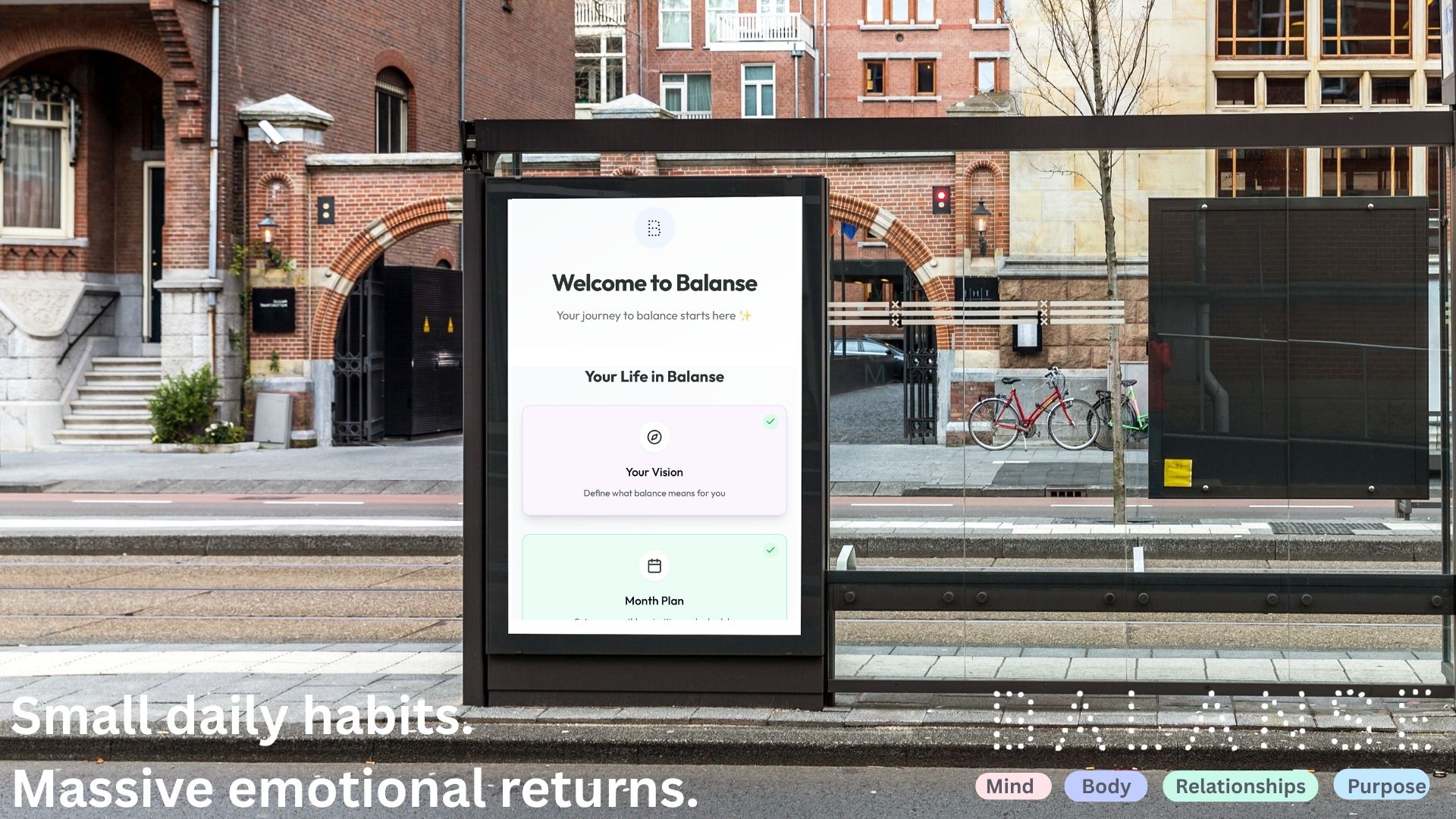

Small daily habits.
Massive emotional returns.
Everything you need to create a life of balance, purpose and fulfilment. Sign up today.