Balanse Blog
Insights on productivity, wellbeing, and finding harmony in everyday life
Sign up to receive weekly updates direct to your inbox
Recent articles

Believing we deserve what we want
Balance, boundaries and beliefs: believing we deserve what we want
You can have a vision, make plans and take action, while quietly questioning whether you deserve the life you’re imagining. Self-trust grows through small choices, balance and boundaries.

Your fire may need different fuel
Your spark has not gone. It’s just tired.
Your fire may be tired, or it may need somewhere meaningful to go. Explore what replenishes you and what brings you alive now, using astrology as a prompt for reflection rather than prediction.
Write your way back to yourself
How journalling can help you notice, release, create and grow
Write your way back to yourself
How journalling can help you notice, release, create and grow

Your body is part of the life you’re creating
Your dreams need more than a mindset. They need a body you’re listening to.
Calling in the life of your dreams involves more than mindset. It involves caring for the body that will live that life.

Make room for joy, play and adventure
When did you last do something just for the joy of it?
There will always be more to do. Make one plan for something you’re excited about and leave a little room for surprise.

How do you spend your time?
How did you spend your time this week?
How do you spend your time?
Not what was in your calendar — where your attention and energy actually went this week, and how to call in more of what matters to you.

55 truths, learnings, beliefs & pieces of advice
How I live across my mind, body, relationships and purpose
55 truths, learnings, beliefs & pieces of advice
Fifty-five truths, learnings and beliefs I've collected along the way — on vision, decisions, money, people, time and beginning again.

You have more choice than you think
Your life isn't one enormous decision. It's thousands of small ones.
You have more choice than you think
Not control — choice. You can't control what happens around you, but you get to decide what you do next. And thousands of small choices become your life.

Edges: What are yours?
There is a point in every change where you reach an edge.
Edges: What are yours?
An edge is the place where the life you know meets the life you say you want. Your edges show you what you believe — and meeting them is how you grow.

Limitless possibilities
What could 120 seconds a day change?
Limitless possibilities
Spend 60 seconds writing what you're grateful for. Then 60 seconds writing what you desire. That's it. Two minutes a day to remember your circumstances are not the limit of what's possible.

Manifest through moving
Sometimes you don't need to think your way into a different life. You need to move your way into it.
Manifest through moving
Put the music on. Dance. Walk. Get outside. Movement helps you feel the thought, not just think it — and that changes what becomes possible next.

Are you bad with money? No.
“I’m bad with money.”
Are you bad with money? No.
You are not bad with money. You may have patterns, experiences and old stories — but they are not your identity. And you’re allowed to choose a new one.

Do you believe you deserve the life you want?
You can write the intention perfectly.
Do you believe you deserve the life you want?
You can create the vision board, set the goal and describe your dream life in extraordinary detail. But does your sense of self-worth match your greatest desires?

What the @&£k...
...do you actually motherxxxxing want?
What the @&£k...
Not what would look impressive. Not what other people expect from you. Not what seems sensible, achievable or appropriate for someone your age. What do you actually want?

Your attention problem
Most of us don't have a time-management problem. We have an attention problem.
Your attention problem
The urgent things shout. They flash red. The important things tend to be quieter. Slowly, almost without noticing, you can build an entire life around what was urgent rather than what was important.

Changing what you haven't faced
There are things we know before we're ready to admit that we know them.
Changing what you haven't faced
Sometimes the hardest part isn't changing something. It's admitting it. Because once we acknowledge something, we can't quite unknow it again.

How to predict your own future
“The best way to predict the future is to create it.” — Alan Kay
How to predict your own future
What if the future isn't something you find? What if it's something you participate in creating? Creating your future isn't about controlling the outcome. It's about deciding how you're going to participate.

Hiding out
What are you waiting for?
Hiding out
Sometimes we hide out from our own lives. We avoid responsibility, change or the thing we already know we need to do. We tell ourselves we're staying safe. But while we're hiding, time keeps moving.

Looking back to look forward
What has your life been trying to teach you?
Looking back to look forward
We're always being encouraged to look ahead. But sometimes the best way to work out where you're going is to turn around for a minute. Not to live in the past — to learn from it.
How I choose to show up
I can't control everything, but I can choose how I respond
How I choose to show up
For a long time, I thought my life was shaped by what happened around me. I've learned that I can choose how I respond. I get to choose how I show up.
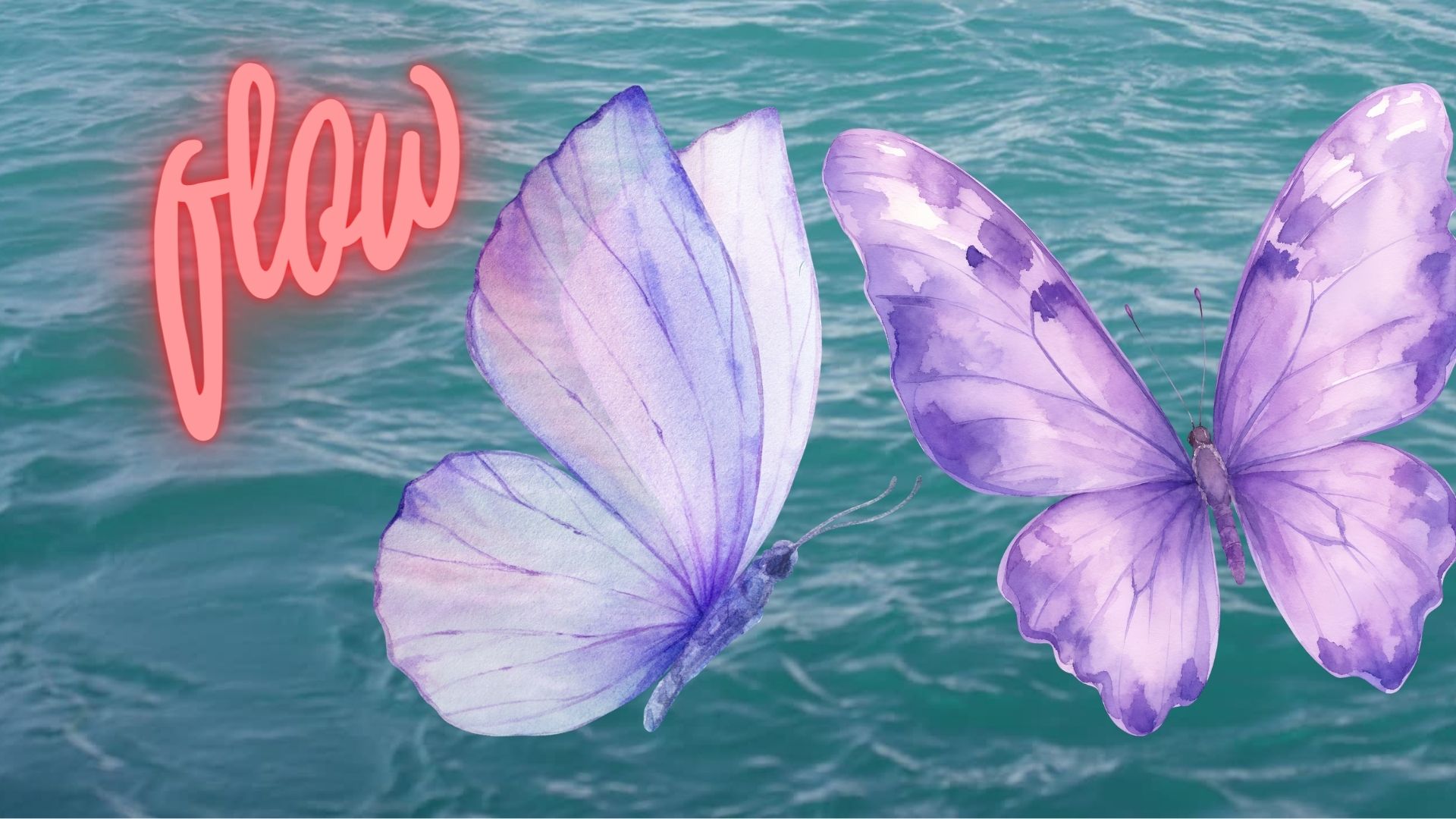
Clarity progress flow
This is what it feels like for me (now) to live in Balanse
Clarity progress flow
There is a moment when life stops feeling like something you're constantly trying to keep up with, and begins to feel as though it is flowing through you. That is what flow feels like to me. It is purpose in motion.

Serenity, courage and wisdom
Three things we need every day
Serenity, courage and wisdom
The Serenity Prayer is simple, but it contains three things we all need every day: serenity to accept what we cannot change, courage to change what we can, and wisdom to know the difference.
Quit now before AI makes the choice for you
This is a superpower
Quit now before AI makes the choice for you
If you already know that something in your life or work is no longer working, don't wait for technology, redundancy, burnout or crisis to make the decision for you.
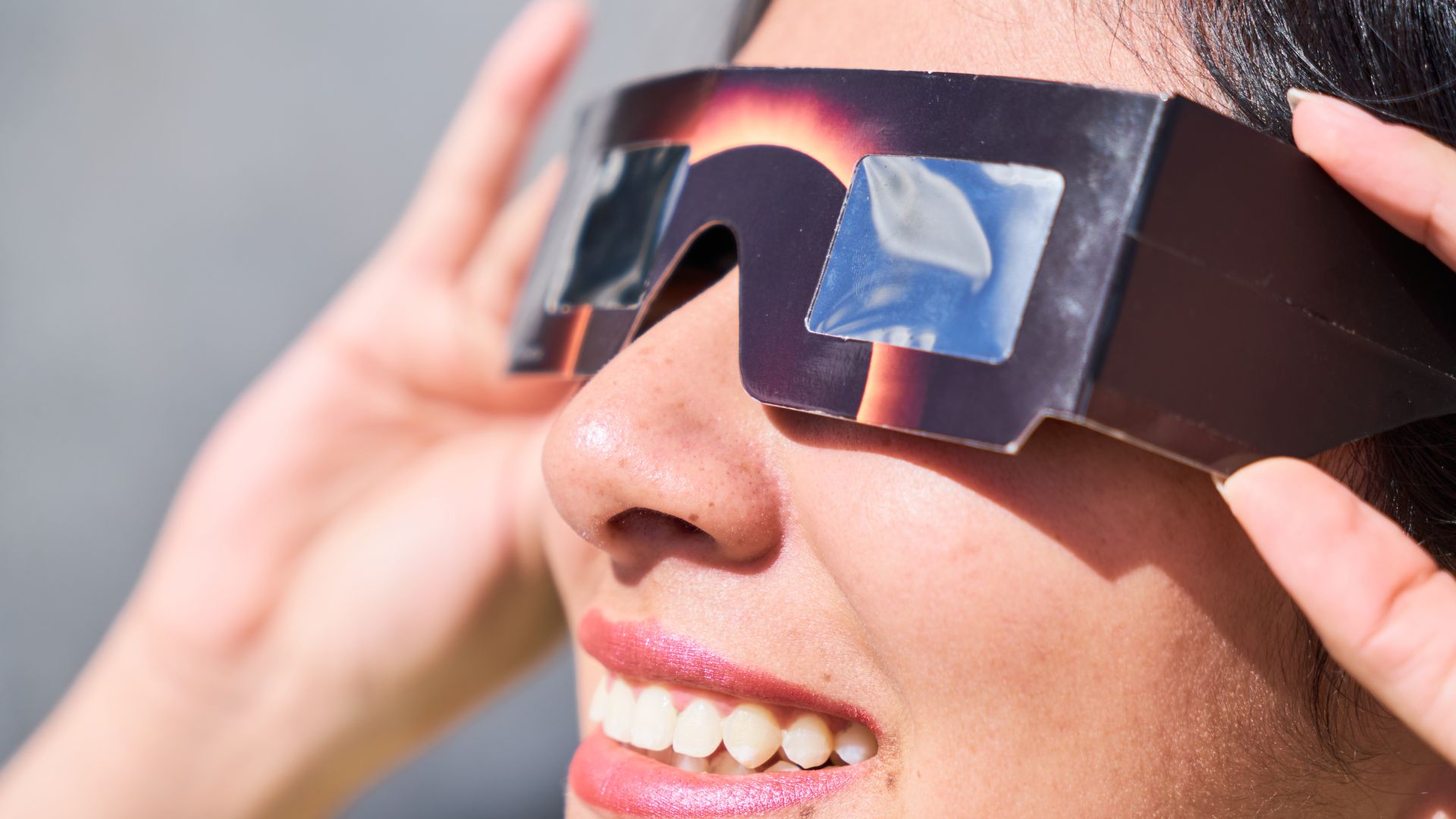
Eclipses
The last major eclipse in 1999 feels like a natural marker in time
Eclipses
When I look back at the person I was in 1999 and everything that has happened since, it feels as though I've lived several different lives. An eclipse gives us a chance to pause and ask: who was I then, who am I now, and who am I ready to become next?
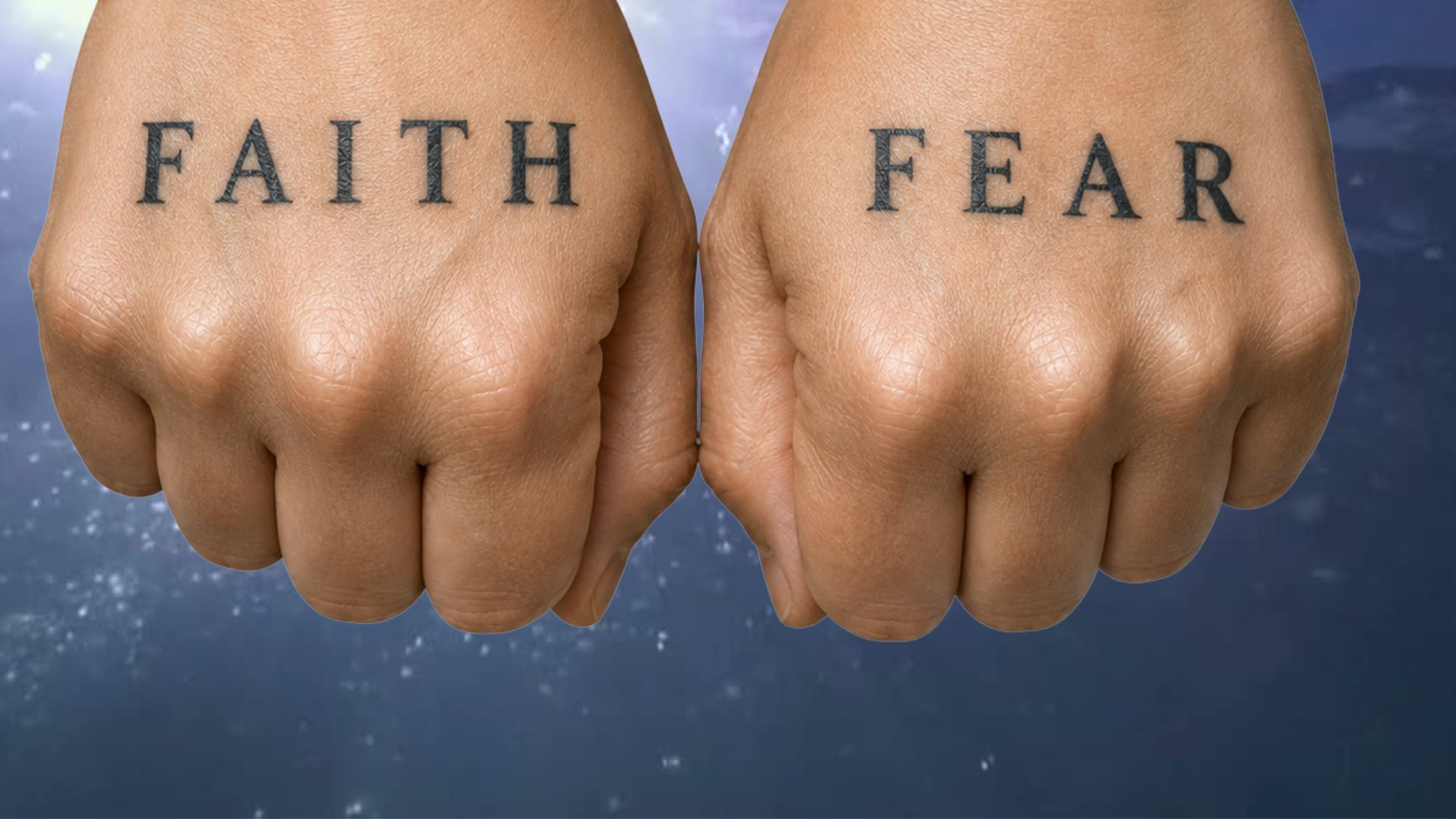
Choosing faith over fear
Fear is part of being human
Choosing faith over fear
Fear evolved to keep us safe, but it doesn't always know the difference between genuine danger and the discomfort of change. The question isn't whether fear is present; it's whether you're allowing it to make the decision.
Signs: How to ask for them...
... and know when you've received one
Signs: How to ask for them...
A song comes on at exactly the right moment. The same number keeps appearing. A feather lands in your path. Perhaps the explanation matters less than what the moment helps you recognise — a sign can't live your life for you, but it can interrupt your autopilot.

Generational trauma
How to stop passing your sh*t down the line
Generational trauma
Generational trauma is what happens when pain that hasn't been properly processed gets carried forward — through families, relationships, behaviours, beliefs and coping mechanisms. You can't change what was handed to you, but you can change what you hand on.
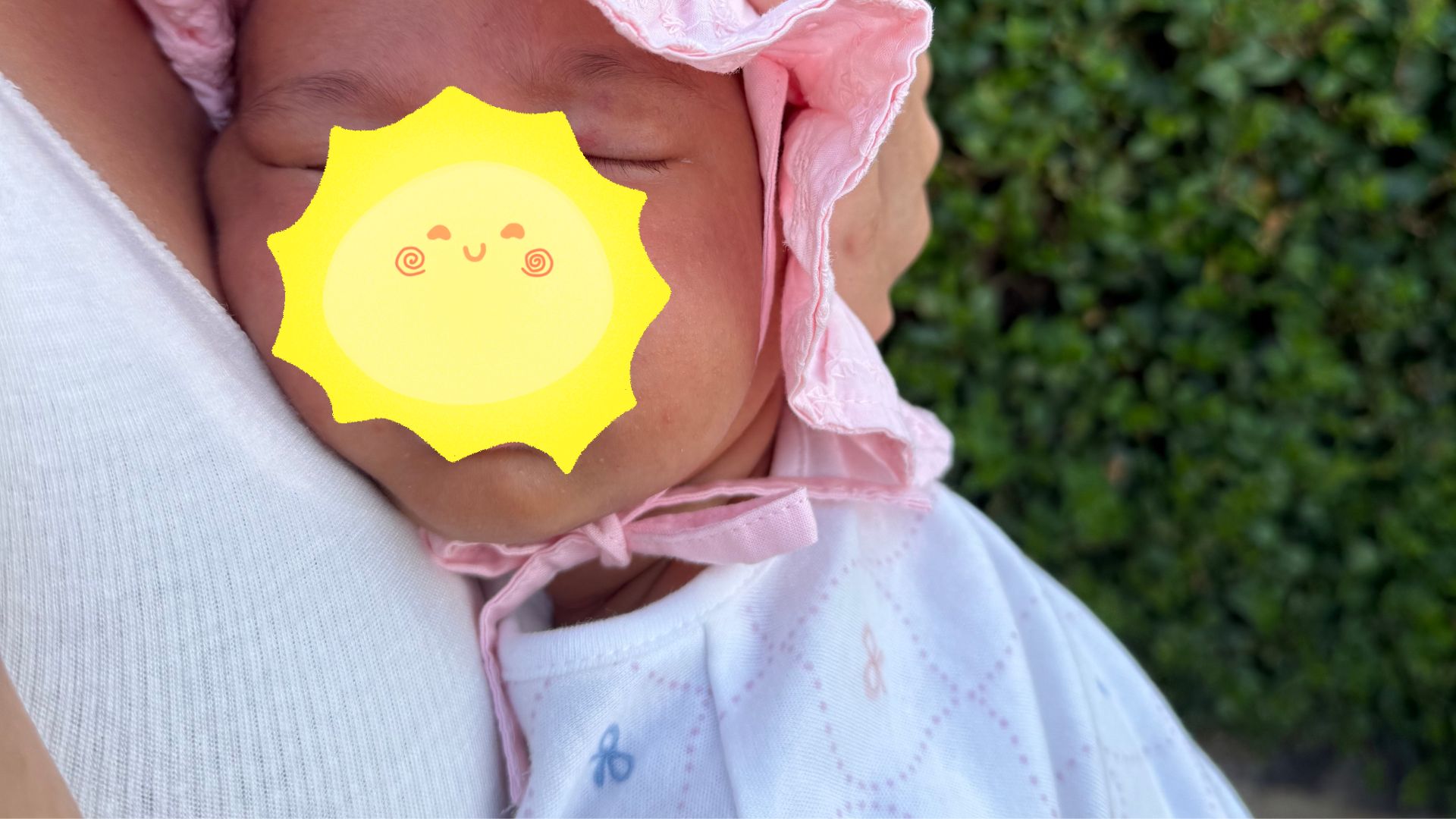
Bring yourself back into the light
What my granddaughter is teaching me about wonder, gratitude and what matters most
Bring yourself back into the light
Having my granddaughter has reminded me of something many of us lose as we get older. Not because we mean to, but because life becomes so busy. Babies and puppies don't need a promotion or a more impressive life to experience joy — they remind us that wonder was here all along.

No regrets when you're 90
What your oldest self wants you to do while there is still time
No regrets when you're 90
Spend time volunteering in a care home and you may discover something important. Older people rarely want to impress you with how busy they were. If you live to be 90, what will you wish you had done with the life you have now?

The opposite of love is distraction
Why attention is the currency of love — and how to bring it back into our relationships
The opposite of love is distraction
We tend to think the opposite of love is hate. But hate still involves attention. The more dangerous opposite of love is distraction — being physically present but mentally elsewhere. We may still love the person deeply, but if our attention is always somewhere else, they may stop being able to feel it.
How to create your dream life
Creating your dream life is not about escaping the one you have.
How to create your dream life
Creating your dream life is about becoming more intentional about what comes next. It means pausing long enough to ask yourself what you genuinely want, rather than continuing to follow expectations, habits or plans that no longer feel right.

Why we all need mentors and coaches
None of us is meant to work everything out alone.
Why we all need mentors and coaches
We may be responsible for our own lives, choices and growth, but that doesn't mean we have to make the journey without support. The right mentors and coaches help us see possibilities we can't yet see for ourselves, challenge the stories that keep us stuck and remind us of who we are when life becomes difficult.

Your values are the blueprint for your life
Most of us think we know what our values are.
Your values are the blueprint for your life
Values aren't simply words we choose because they sound good. They're the principles we use to make decisions, decide what we'll tolerate and shape the life we're building. To be true to ourselves, we have to be honest about what genuinely matters to us — not what we've been taught should matter.
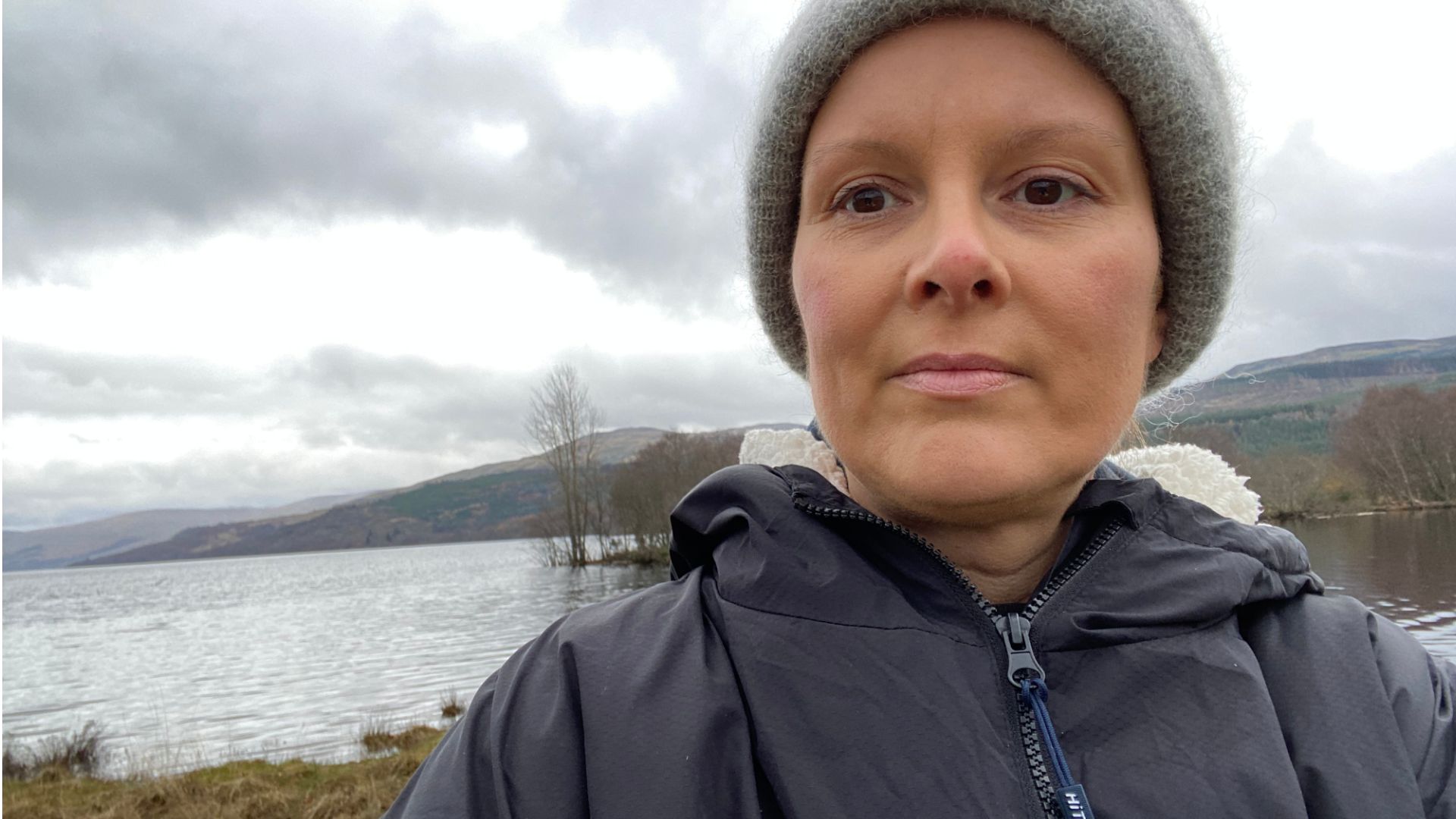
A survivor's guide to long-term unemployment
Long-term unemployment doesn't just leave you without a job.
A survivor's guide to long-term unemployment
Long-term unemployment can slowly dismantle the structures that made the rest of your life feel manageable. This isn't a guide to pretending everything is fine. The aim is to become slightly less "not good" in each area of your life, while concentrating most of your energy on the problem creating the greatest danger: money.

Money and purpose
Can money and purpose be the same thing?
Money and purpose: can they be the same thing?
We're often taught to think of money and purpose as opposites — one practical, the other meaningful. But this creates a false choice. Money and purpose can absolutely coexist, and money can strengthen your purpose by giving you the resources to continue your work and support the people and causes that matter to you.

Masking vs being yourself
Why we edit ourselves to feel safe, accepted or "appropriate" — and how to start unmasking at home and at work.
Masking vs being yourself
Masking is editing yourself to feel safe, accepted or "appropriate." Being yourself is allowing your real needs, feelings, personality and values to shape how you live. Unmasking doesn't mean removing every mask overnight — it means building a life in which you need fewer of them.
What is a dream?
Why do we have them? What should we do about them?
What is a dream?
A dream is a picture of a future that feels meaningful enough to pull you towards it. Most dreams aren't really about the thing itself — they're about the feeling or need underneath it. The dream is simply the symbol. The need is what endures.
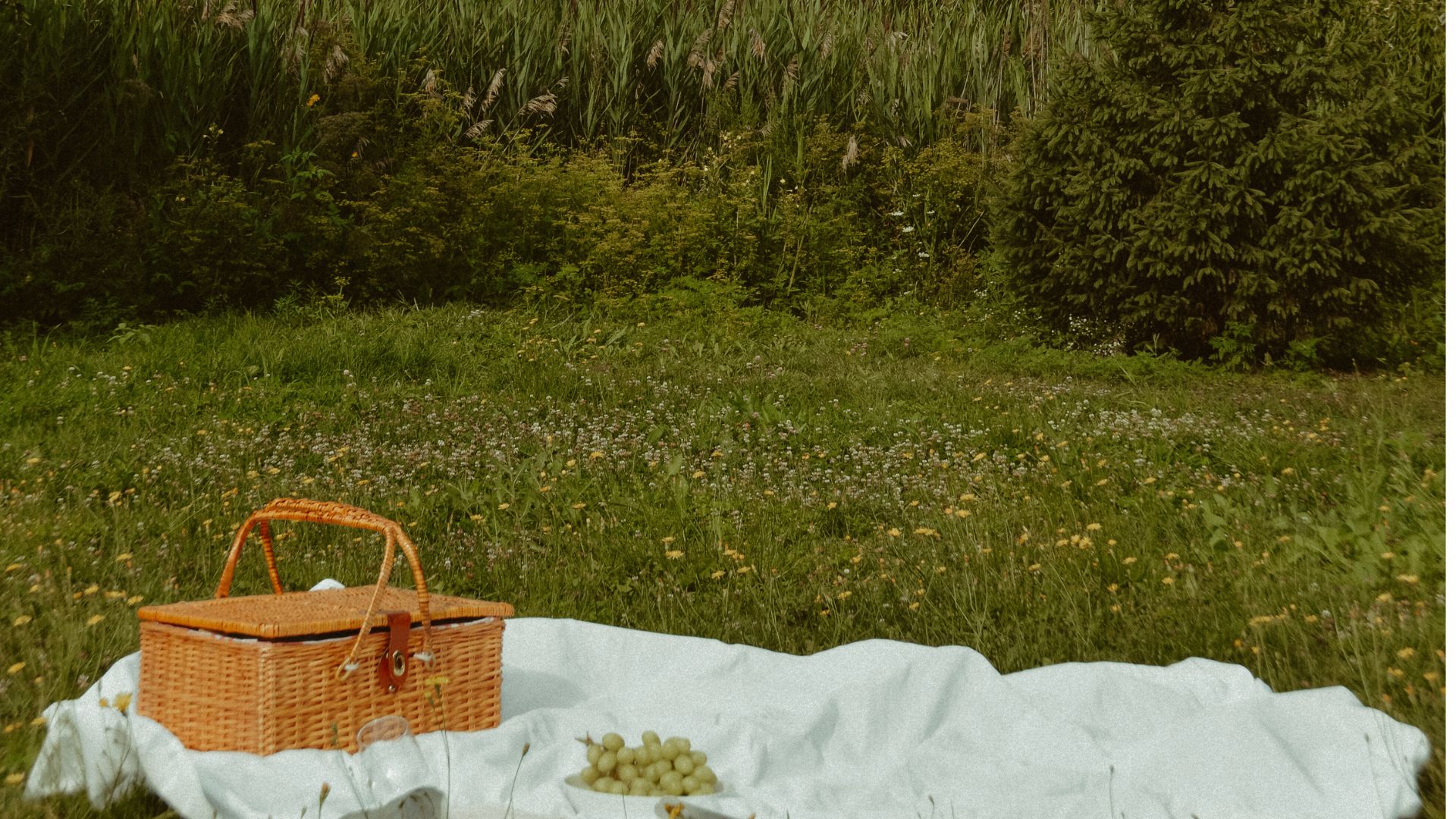
The life rules that brought me back to joy
At 53, I made a decision.
The life rules that brought me back to joy
I wasn't going to spend another decade waiting for life to begin. I'd become very good at surviving and very bad at living. So I made myself a promise: I was going to do everything in my power to build a life that felt like mine again.
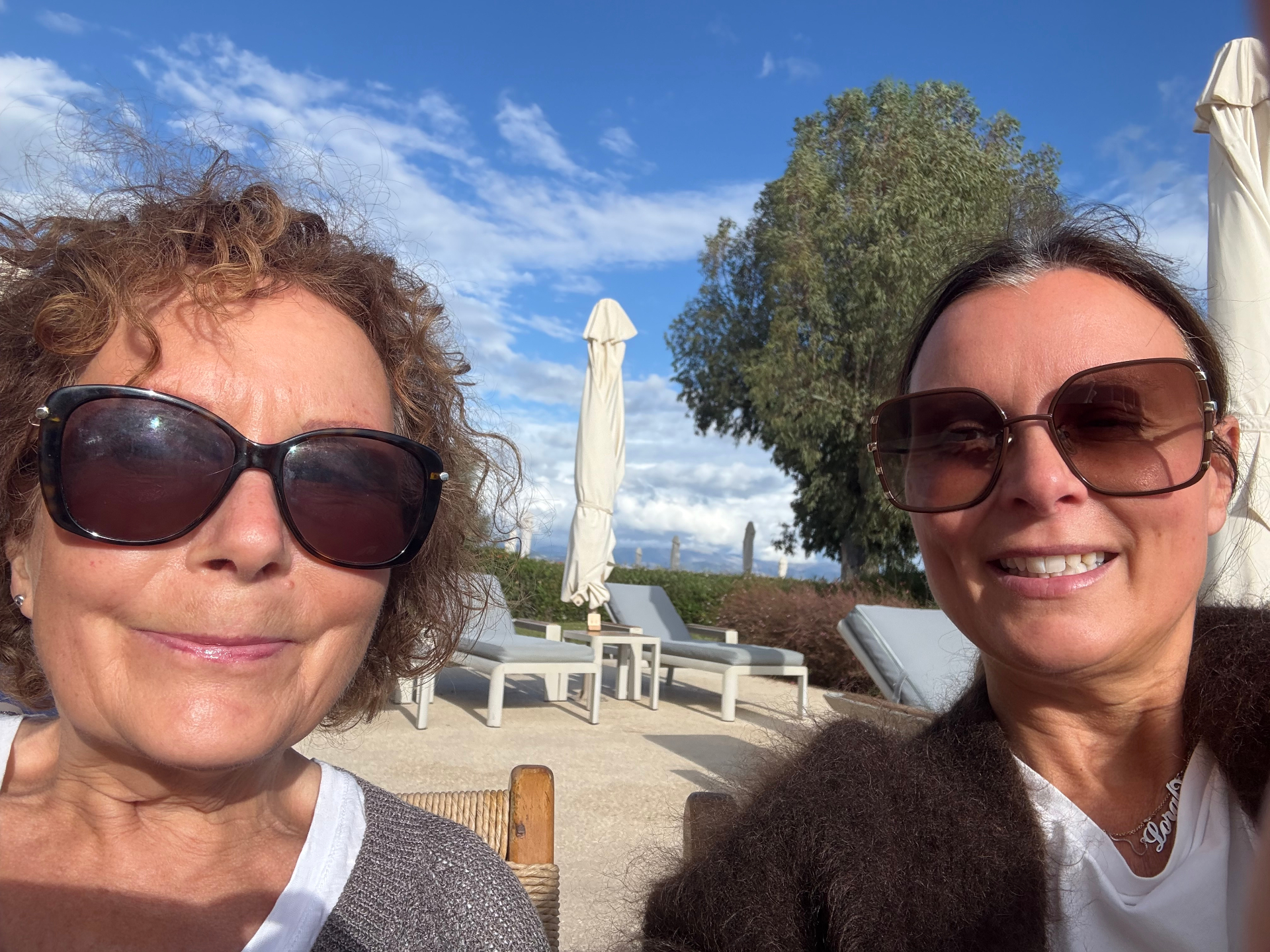
What happens when you're 50?
Are you finished… or just beginning?
What happens when you're 50?
What if turning fifty isn't the end of your story, but the first time you finally get to write it for yourself? For many people, this isn't a midlife crisis at all — it's a midlife awakening.

We're part of nature — so why do we behave so differently?
We reinvent. Nature recalibrates.
We're part of nature — so why do we behave so differently?
The blossom doesn't apologise for disappearing in May. The Botanics doesn't panic in November. Nature moves through seasons — expanding, retreating, resting, blooming. We're part of nature. So why do we behave so differently?

I was fitting myself into a life that no longer worked
On paper, things looked good. Underneath the functioning, I was trying to fit myself into a life that no longer worked.
I was fitting myself into a life that no longer worked
The most dangerous place to be isn't unhappy. It's fine. You won't feel ready for a reset. Readiness is mostly a myth — it arrives because of the action, not before it.

Your weakest pillar is bleeding into the others
There are no compartments. There's one life, with four load-bearing walls.
Your weakest pillar is bleeding into the others
Life isn't lived in your strongest pillar. Your lowest pillar isn't your failure — it's your ripple point. Strengthen the weakest wall and the whole house steadies.

Why coaching didn't work for me (and what I built instead)
Most coaching isn't the problem. It's what happens between the coaching sessions.
Why coaching didn't work for me (and what I built instead)
You leave a call feeling inspired. Then life happens. Two weeks later you arrive at your next session saying 'I didn't really do what we discussed.' That isn't failure — it's how our brains work without daily support.

The life you want is on the other side of what you're avoiding
Everyone loves the dream. Very few people fall in love with the process.
The life you want is on the other side of what you're avoiding
We imagine the healthier body, the thriving business, the calm confidence of living on purpose. What we don't picture are the uncomfortable conversations, the self-doubt, the setbacks. But that's where transformation happens.
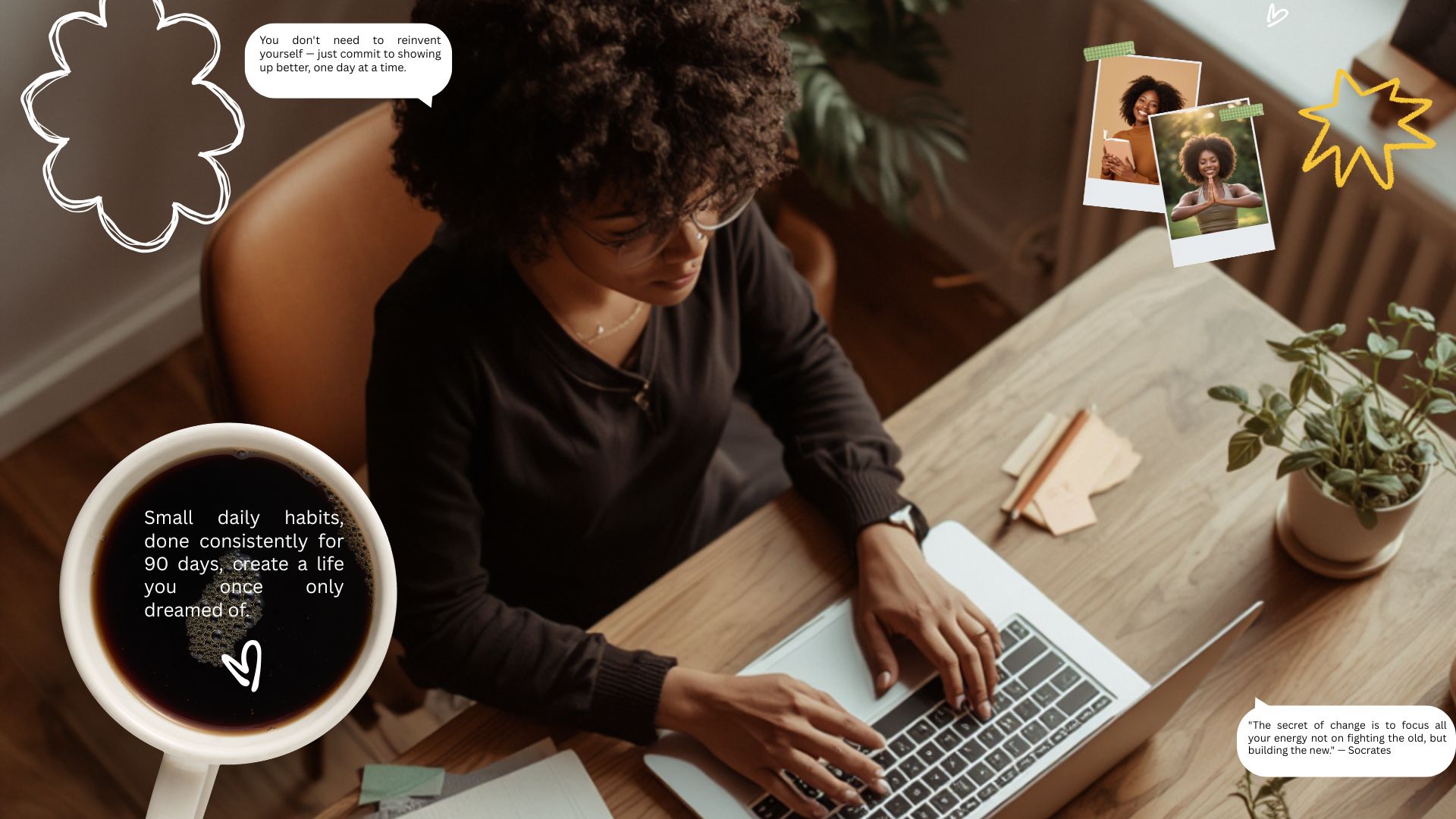
How to transform your life in 90 days (without reinventing yourself)
Most people dramatically overestimate what they can achieve in a week and massively underestimate what they can achieve in 90 days.
How to transform your life in 90 days (without reinventing yourself)
Ninety days is long enough to change your habits, rebuild your confidence and create meaningful results — but short enough to stay focused. This isn't about becoming someone else. It's about becoming yourself again.

Resistance — the force that shows up the moment it matters
There's a strange force that rises up the moment you sit down to do the thing that actually matters.
Resistance — the force that shows up the moment it matters
Steven Pressfield called it Resistance — the invisible pull that meets every meaningful act, and pushes back hardest against the work that matters most.

The unlived life — the dream you protect by never starting
Carl Jung pointed at something most of us never want to look at directly: the version of you that you haven't yet lived exerts a quiet pull on the version of you that exists right now.
The unlived life — the dream you protect by never starting
As long as the leap is untaken, you stay in the realm of potential — and potential is comfortable, because it can't be rejected, judged, or proven inadequate.

Status quo bias — why "fine" is the most expensive choice you make
Behavioural economists have spent decades documenting a quiet distortion in how we make decisions.
Status quo bias — why "fine" is the most expensive choice you make
Faced with a choice between changing and staying the same, we almost always overweight the cost of changing — and underweight the cost of staying. It's called status quo bias.
Today, I become a grandmother.
For a week I've been teaching a room full of people how to design a life on purpose. Today I get to live the lesson.
Today, I become a grandmother.
I've spent this week teaching — six days, the same question turned over from different angles. Why we drift. Why "fine" quietly becomes a ceiling. Why we keep running scripts we never chose.

AI for human flourishing
The most human thing left is to decide for yourself.
AI for human flourishing
In an age of AI that can do almost anything, designing your life on purpose and deciding how you choose to use AI is how we could actually flourish.

The tolerance trap
And the one small move that interrupts it.
The tolerance trap
Most people don't fail because they lack ambition. They fail because they quietly lower their standards. You don't rise to your goals — you fall to your standards.

Change vs consistency
Change vs consistency
Curiosity, wisdom, and knowing when to let go
Curiosity asks 'What if?' Wisdom asks 'What now?' One of the biggest lessons I've learned is that curiosity and wisdom are not the same thing.

Momentum towards your dream
Momentum towards your dream
The way out isn't more information
When we're overwhelmed, our instinct is often to look for more information. But the challenge isn't that we don't know enough — it's that we've stopped trusting what we already know.

Feeling overwhelmed & confused?
Feeling overwhelmed & confused?
Nothing has gone wrong
I wish I could tell you that at some point all of this goes away. But success doesn't seem to remove these feelings — they're signs that you're human.
Stop starting. Start finishing.
We live in a world obsessed with more.
Stop starting. Start finishing.
More opportunities, more information, more ideas, more side projects. It sounds like freedom, but often it isn't. Too many options are the very thing keeping us stuck.

What if doing less is the answer?
Sometimes the most powerful thing you can do for your health is less.
What if doing less is the answer?
The greatest wealth is health. Yet for something so simple, we've made health incredibly complicated.

How do you know if it's a sign?
People often say they're waiting for a sign.
How do you know if it's a sign?
A sign to leave the job, start the business, end the relationship, move to a new city, or finally pursue the thing you can't stop thinking about. The problem is that most people are waiting for certainty. And signs rarely arrive that way.

What should I do when I don't know what's next?
You don't need to know what's next. You just need a question you can actually answer.
What should I do when I don't know what's next?
Live the questions now. Perhaps then, someday far in the future, you will gradually, without even noticing it, live your way into the answer.

Recalibration, not reinvention
We live in a world obsessed with reinvention.
Recalibration, not reinvention
Quit your job. Burn your life down. Start over. Become someone else. But most people don't actually need reinvention. They need recalibration.

26 things I've learned in 2026
I've been reflecting on what truly helped me, and the people around me, grow this past year.
26 things I've learned in 2026
These 26 learnings made life feel lighter, more grounded, and more intentional. May a few find their way into your own story as this new summer begins.

What is a daily reset?
The Balanse Daily Loop
What is a daily reset?
Most people don't consciously start their day. They react to it. The Balanse Daily Loop is a simple daily reset that helps you reconnect with yourself, your priorities and the life you actually want to create.

Freedom or victimhood: you get to choose
There comes a moment in every person's life where they have to decide who they are going to be.
Freedom or victimhood: you get to choose
Not who the world told them they were. Not who their past shaped them into. Not who their pain convinced them they had become. But who they choose to be now.

Simplicity is the pathway to joy
We live in a world that rewards noise.
Simplicity is the pathway to joy
More information. More opinions. More notifications. More pressure to become more, do more and prove more. Somewhere inside all of that noise, people lose themselves. But joy was never supposed to be complicated.

No more gurus — the new era requires self-leadership
For generations, leadership was largely external.
No more gurus — the new era requires self-leadership
We followed institutions, experts, authority figures and other people's definitions of success. Success often meant fitting into the system well. But something is changing.

The old systems are breaking — we need a new operating system for being human
Something feels different right now.
The old systems are breaking — we need a new operating system for being human
Many of the systems humanity has relied on for generations no longer seem to fit the reality we are living in. People are burnt out. Overstimulated. Disconnected. We have more tools than ever before. Yet many people have never felt more lost.

Human design and the new era
There is a quiet shift happening in the world.
Human design and the new era
There is a theory within Human Design that humanity moves through major evolutionary cycles approximately every 400 years. According to Human Design teachings, we are approaching the end of one of these cycles right now.
How do I know if I'm happy?
This is one of the bravest questions a person can ask.
How do I know if I'm happy?
This is one of the bravest questions a person can ask. And one of the loneliest. Because sometimes life looks good on paper but quietly underneath it all, there's still a question: am I actually happy?

Does therapy actually work?
More people are in therapy today than at any point in history.
Does therapy actually work?
More people are in therapy today than at any point in history. And yet despite the growth of therapy, levels of burnout, anxiety, depression and stress continue to rise. If so many people are in therapy, why do so many still feel stuck?
Start with you: For things to change, you need to change
When people want their life to change, they often start by looking at the external world.
Start with you: For things to change, you need to change
When people want their life to change, they often start by looking at the external world. A different job. A different environment. More time. But real change rarely starts outside of you. It starts with something much simpler and much harder.
Live on purpose, not on autopilot
Most people don’t wake up one day and decide to live on autopilot.
Live on purpose, not on autopilot
Most people don’t wake up one day and decide to live on autopilot. It happens gradually. Life gets busy, responsibilities grow, and days start to blur together.

The psychology of drift: Why smart people end up living lives they didn’t design
Most people don’t consciously choose a life that feels misaligned.
The psychology of drift: Why smart people end up living lives they didn’t design
Most people don’t consciously choose a life that feels misaligned. They drift into it, one small reactive decision at a time.

The silent epidemic of high-functioning burnout (and why it's not just about work)
Burnout rarely looks the way people expect.
The silent epidemic of high-functioning burnout (and why it's not just about work)
Burnout rarely looks the way people expect. High-functioning burnout is the person who still shows up, still delivers, and still performs — while internally knowing the system is no longer sustainable.

Each day is a new beginning
Most people wake up and immediately step back into yesterday.
Each day is a new beginning
Most people wake up and immediately step back into yesterday. The same thoughts. The same worries. The same unfinished conversations with themselves. But there is something quietly powerful about the start of a new day.
The myth of being ready
Why action creates motivation (not the other way around)
The myth of being ready
One of the questions people ask surprisingly often is this: How do I do the things I know I should be doing, but for some reason they feel like too much - even though I know they would bring a big reward if I just started and kept going?
The hidden cost of being "fine"
The most dangerous place to be in life isn't unhappy - it's fine.
The hidden cost of being "fine"
"Until you make the unconscious conscious, it will direct your life and you will call it fate." - Carl Jung. Lately, I've been noticing how often conversations start and end the same way. "How are you?" "I'm fine."

What we can all learn from 12-step programmes
When people hear about 12-step programmes, they often associate them only with addiction recovery.
What we can all learn from 12-step programmes
Behind the structure of programmes such as Alcoholics Anonymous lies something much broader: a set of principles that help people build self-awareness, accountability, connection, and personal growth.

The benefits of daily meditation — and how to start a simple practice
Meditation has moved from ancient spiritual traditions into mainstream science over the past few decades.
The benefits of daily meditation — and how to start a simple practice
Research consistently shows that even short, regular meditation practices can improve mental wellbeing, reduce stress, and help people develop greater awareness of their thoughts and emotions.

The Balanse Method: seven daily habits backed by science that shape your life
Most people try to change their life by setting bigger goals. But behavioural science shows that lasting change rarely comes from goals alone.
The Balanse Method: a science-backed daily system for lasting change
A simple daily framework built from evidence across neuroscience, physiology, psychology, and behavioural science. B·A·L·A·N·S·E — seven small shifts that compound into lasting change.

The triad that shapes how we experience life
Most people believe their life is shaped by circumstances.
The triad that shapes how we experience life
Psychology and neuroscience suggest that the way we experience life is largely shaped by three internal factors: our physiology, our focus and beliefs, and the language and meaning we assign to events.

What is human flourishing? A practical and science-backed view
The phrase human flourishing is appearing more often in conversations about wellbeing, work, and the future of society. But what does it actually mean?
What is human flourishing? A practical and science-backed view
At its simplest, human flourishing describes a life that is not merely functioning, but thriving. It is the experience of living with energy, purpose, connection, and growth over time.

Why nutrition and breathing are two of the most powerful tools for wellbeing
When people think about improving their wellbeing, they often look for complex solutions.
Why nutrition and breathing are two of the most powerful tools for wellbeing
Two of the most powerful levers for improving how we feel, think, and function are surprisingly simple: what we eat and how we breathe.

How to build a life that actually moves forward: your decisions
Most people think their life is shaped by goals.
How to build a life that actually moves forward: your decisions
But goals don't move your life forward. Decisions do. Every life is a result of accumulated decisions — not one big decision, but thousands of small ones.

How to reset your life when everything feels off
There's a moment many people experience, but rarely talk about.
How to reset your life when everything feels off
Nothing is obviously wrong. But something doesn't feel right either. You're functioning. You're progressing. From the outside, things look fine. But internally, there's a quiet sense of friction.

How to design your life intentionally
Most people don't consciously design their life.
How to design your life intentionally
Most people don't consciously design their life. They inherit it — from expectations, from opportunities, from momentum. And over time, they end up somewhere they didn't fully choose.

The secret to lasting love: understanding human needs in relationships
Relationships don't fail because people stop caring. They fail because human needs stop being met.
The secret to lasting love: understanding human needs in relationships
Every person has 6 core human needs, and how those needs are met determines whether relationships thrive or collapse. When couples understand these needs and intentionally meet them for each other, relationships can transform.

The science of momentum: why taking the first step changes everything
Most people believe progress requires a perfect plan.
The science of momentum: why taking the first step changes everything
Research in psychology and behavioural science shows that momentum is created through action - not planning. And the biggest barrier to action is not laziness. It's state.

What archetype are you? The 5 stages of intentional living
Most people never consciously design their life.
What archetype are you? The 5 stages of intentional living
They build careers. They build routines. They build responsibilities. But they rarely pause long enough to ask a deeper question: What is my life actually optimised for?

Where do you want to be 5 years from now? The power of where you focus today
Every life moves in the direction of its focus.
Where do you want to be 5 years from now? The power of where you focus today
Not its intentions. Not its goals. Its focus. Whatever you consistently pay attention to is shaping your future reality.

Which human needs are driving your life?
Every human being is constantly trying to meet six fundamental needs.
Which human needs are driving your life?
These needs influence our decisions, behaviours, relationships, and ultimately the direction of our lives. When we understand which needs drive us the most, we gain the power to change patterns that may be limiting our growth.
The power of patterns: how recognising them can transform your life
Most people believe that life is unpredictable—that success, happiness, and achievement happen randomly.
The power of patterns: how recognising them can transform your life
But when you look closely at the greatest breakthroughs in history, you'll notice something different: they all began with someone recognising a pattern. Understanding patterns is one of the most powerful skills you can develop because patterns determine outcomes.

Choose kindness: everyone is fighting a battle you can't see
In our fast-moving world, it's easy to judge people by what we see on the surface.
Choose kindness: everyone is fighting a battle you can't see
Behind every smile, every short reply, and every moment of silence, there may be a story we cannot see. That's why kindness matters more than we realise.

The reinvention audit: why you audit your business but not your life
In business, you measure everything.
The reinvention audit: why you audit your business but not your life
Revenue. Performance. Engagement. Quarterly targets. But when it comes to your life? You drift. Reinvention does not begin with motivation. It begins with diagnosis.

Purpose isn't found. It's built.
One of the most stressful questions intelligent people ask themselves is: "What's my purpose?"
Purpose isn't found. It's built.
You don't have one purpose. You have many. Purpose isn't a single destination. It's a direction. And it's built through daily decisions — not discovered in a moment of overthinking.

Why you're stuck (and it's not because you're lazy)
There are two fears that quietly trap intelligent, capable people.
Why you're stuck (and it's not because you're lazy)
The fear of changing. And the fear of staying the same. So instead of choosing, we hover. We tolerate. We drift somewhere in between dissatisfaction and disruption.
Balanse vs ChatGPT: become who you were always meant to be
You're not here to live on autopilot.
Balanse vs ChatGPT: become who you were always meant to be
People use ChatGPT to think faster. They use BalanseOS to live better. ChatGPT is a powerful general-purpose tool. BalanseOS is a purpose-built system for clarity, habits, and human wellbeing.

Mindful, intentional ambition: how to grow without burning yourself out
Another way to build, create, and move forward
Mindful, intentional ambition: how to grow without burning yourself out
We're surrounded by a loud version of ambition that glorifies speed and rewards urgency. But there's another way — one rooted in purpose, sustainability, and self-trust.

Your values & beliefs determine your direction (not your circumstances)
Values: act like an internal compass. Beliefs: The Filter That Creates Pain or Pleasure
Your values & beliefs determine your direction (not your circumstances)
We often assume our lives are shaped by conditions. But conditions don't determine direction. Values do. This framework explores how beliefs, values, and decisions shape every aspect of your life.

A psychological framework for evaluating your relationship health
Human behaviour is driven by fundamental psychological needs.
A psychological framework for evaluating your relationship health
Across attachment theory and motivational science, one theme is consistent: We all seek both stability and expansion. This framework helps you evaluate the six core human needs in your relationships.
Movement is a biological need, not a cosmetic one
Exercise is not about aesthetics. It's about alignment with your design.
Movement is a biological need, not a cosmetic one
When you move, blood circulates better, your brain receives more oxygen, mood-regulating chemicals increase, and stress hormones regulate. Movement is maintenance. And maintenance prevents decline.

The science of purpose: a framework for meaning, growth, and contribution
Purpose is not a luxury. It is psychological infrastructure.
The science of purpose: a framework for meaning, growth, and contribution
Across decades of research in motivational psychology, meaning theory, and identity development, one pattern is clear: Humans do not thrive on comfort alone. We thrive on direction.

Next play mentality: how to reset fast and keep momentum
In sport, there's a rule that separates good players from great ones: Next play.
Next play mentality: how to reset fast and keep momentum
You miss a shot? Next play. You make a mistake? Next play. You don't stop the game to replay what already happened. You reset — and move forward. Life works the same way.

The pivot year: movement, momentum & forward energy
This is the Year of the Fire Horse.
The pivot year: movement, momentum & forward energy
Last year was the Year of the Snake — a year of shedding, questioning, letting go, and seeing what no longer fits. The snake sheds its skin. The horse runs forward. So what if this is your pivot year?

To change your results, change your state: the physiology of better outcomes
How movement, emotion, and focus rewire what's possible
To change your results, change your state: the physiology of better outcomes
Most people don't fail because they lack discipline. They fail because they ask the wrong questions. And they ask them in the wrong state. Your state is your physiology: how you're breathing, how you're moving, the tension in your body, and the emotions running through your nervous system.
Do I have to be dissatisfied to be driven? The science behind sustainable motivation
Short answer: No. And believing you do is one of the fastest ways to burn out.
Do I have to be dissatisfied to be driven?
For a long time, we've been taught that dissatisfaction is fuel - that you have to be unhappy with where you are in order to want more. But psychology, neuroscience, and lived experience tell a different story.

Am I creating the conditions for success?
If It Feels Hard, Look at the Conditions - Not Yourself
Am I creating the conditions for success?
Success isn't just about effort. It's about environment. It's about systems. It's about whether your life is set up to support the person you're trying to become.
Why the most successful people don't give up (James Clear, Atomic Habits)
The real shift happens when you stop trying to achieve and start trying to become.
Why the most successful people don't give up
The most successful people in the world aren't the smartest, most confident, or most naturally talented. They're the ones who keep going. James Clear explains in Atomic Habits that success isn't about massive breakthroughs - it's about not quitting when progress feels invisible.

Comparison: a tool that can teach or take away
Comparison is not the enemy. Unconscious comparison is.
Comparison: a tool that can teach or take away
Humans are comparison machines. It's how we learn. We copy. We calibrate. We improve. Comparison helped us survive, belong, and build skills. But it can also quietly steal joy. The difference isn't whether we compare - it's how and where we apply it.

Confidence & self-esteem: it's about trajectory, not position
If you're moving forward - even slowly - you're winning.
Confidence & self-esteem: it's about trajectory, not position
Most people tie their self-esteem to where they are - their status, achievements, external markers of success. But that's a fragile foundation. Comparison is endless. There's always someone ahead. What actually builds lasting confidence? Trajectory.

Obsession to habit: the neuroscience of change
What fires together, wires together.
Obsession to habit: the neuroscience of change
Have you ever noticed how a new habit feels intense at first - almost obsessive - and then, over time, becomes effortless? That's not just psychology. It's neuroscience. Understanding this process can help you change anything - from mindset to behaviour to identity.

Do your current habits support your desired future?
Your habits are shaping your future right now - whether you've chosen them or not.
Do your current habits support your desired future?
Every habit you repeat today is building the person you'll become tomorrow. Some habits move you closer to your vision. Some quietly hold you back. The question isn't whether you have habits - it's whether those habits are aligned with who you want to be.

Grit is fit: training your mental muscle
Grit isn't something you're born with - it's something you build.
Grit is fit: training your mental muscle
We talk about physical fitness all the time - strength, endurance, flexibility. But what about mental fitness? Grit is the psychological equivalent of stamina. And just like physical muscles, grit can be trained.

Spirituality and science: why both can be true
Science describes the mechanism. Spirituality describes the meaning.
Spirituality and science: why both can be true
For centuries, spirituality and science have been treated as opposites. But what if they're simply different lenses on the same reality? What if both can be true - at the same time?

Trajectory over position: why direction matters more than location
A ship in the right direction will eventually arrive. A ship going in circles never will.
Trajectory over position: why direction matters more than location
We obsess over where we are - our job title, income, relationship status, milestones. But position is just a snapshot. What matters more is trajectory: the direction you're heading.

Nature therapy: the science of outdoor healing
Nature isn't a luxury - it's a biological requirement.
Nature therapy: the science of outdoor healing
There's a reason you feel better after a walk in the park. It's not just placebo - it's biology. Nature has measurable effects on your nervous system, mood, and health. And the research is stacking up.

Failure is the path to success
Every failure is a lesson. Every lesson is progress. Every bit of progress is success.
Failure is the path to success
We're taught to fear failure. To avoid it. To hide it. But failure isn't the opposite of success - it's part of it. Every meaningful achievement is built on a foundation of failures. The only real failure is not trying.

Hats, haircuts, and tattoos: the psychology of change
Sometimes you need to look different to feel different.
Hats, haircuts, and tattoos: the psychology of change
Ever noticed how a new haircut can shift your mood? Or how wearing something different changes how you carry yourself? External changes aren't just cosmetic - they're psychological. They can catalyse internal transformation.

Upstream habits: fixing problems before they start
The best solutions prevent problems before they appear.
Upstream habits: fixing problems before they start
Most of us spend our lives reacting - solving problems after they've appeared. But what if you could prevent them from happening in the first place? That's the power of upstream thinking: addressing root causes, not just symptoms.

Lead and lag measures: track what actually drives results
Lead measures are within your control. Lag measures are not.
Lead and lag measures: track what actually drives results
Most people track lag measures - outcomes like weight, revenue, or grades. But by the time you see a lag measure, it's too late to change it. The real leverage is in lead measures: the actions that drive the outcome.

Systems vs. goals: why winners focus on progress
Goals are for direction. Systems are for progress.
Systems vs. goals: why winners focus on progress
Everyone has goals. But not everyone has systems. Goals tell you where you want to go. Systems tell you how to get there. And research shows that systems - not goals - are what actually drive results.

Negative self-talk: identify, challenge, replace
You don't have to believe every thought you think.
Negative self-talk: identify, challenge, replace
We all have an inner critic. But when that voice becomes constant, harsh, and automatic, it shapes how we see ourselves - and limits what we believe is possible. The good news? You can change it.

The 7 S's of Balanse: a system for living well
A compass for when life feels chaotic.
The 7 S's of Balanse: a system for living well
At the heart of Balanse is a simple framework - seven core principles that guide everything we build and teach. They're not rules. They're reminders. A compass for when life feels chaotic.

The last 3 weeks method: how to end your year with intention, not exhaustion
Your next chapter doesn't need force. It needs intention.
The last 3 weeks method: how to end your year with intention, not exhaustion
Every year, December arrives with its usual mix of sparkle and overwhelm. Expectations rise. To-do lists multiply. And somewhere between holiday plans and real life, many of us lose our sense of presence.

Family dynamics and holidays: navigating with presence, not perfection
You can't control the chaos. But you can protect your peace.
Family dynamics and holidays: navigating with presence, not perfection
The holidays can be beautiful - and they can also be hard. Returning to family often means returning to old dynamics, unspoken expectations, and patterns that no longer fit who you've become.

From helpless to hopeless to healing: a journey through depression
Healing isn't linear. But it is possible.
From helpless to hopeless to healing: a journey through depression
Depression doesn't always look like sadness. Sometimes it looks like numbness. Disconnection. A quiet, persistent sense that something is wrong - even when you can't explain it.

Boundaries: spot your patterns & break the myths that keep you stuck
Patterns recognition tip: Lack of boundaries reveal themselves through resentment, exhaustion, and anxiety.
Boundaries: spot your patterns & break the myths that keep you stuck
Most people think boundaries are walls. In reality, boundaries are bridges: they help you stay connected without losing yourself. But here's the truth: Most of us were never taught how to set healthy boundaries.

What is healthy closeness in a relationship?
Closeness isn't about losing yourself. It's about choosing each other.
What is healthy closeness in a relationship?
We all want closeness. But what does healthy closeness actually look like? It's not fusion. It's not dependence. It's something more nuanced - and more beautiful.

How to love yourself (without people-pleasing, co-dependence, or self-absorption)
Self-love isn't selfish. It's the foundation of every healthy relationship.
How to love yourself (without people-pleasing, co-dependence, or self-absorption)
Self-love has become a buzzword - but it's often misunderstood. It's not about bubble baths and affirmations (though those can help). True self-love is deeper. It's about how you treat yourself when no one is watching.

The nervous system and saying no: why it feels so hard
Saying no isn't a character flaw - it's a nervous system response.
The nervous system and saying no: why it feels so hard
Ever notice how your body reacts when you try to say no? Heart racing. Stomach tightening. Words getting stuck. That's not weakness - it's your nervous system doing its job.
Handling big emotions: what actually helps
Big emotions aren't problems to solve - they're signals to attend to.
Handling big emotions: what actually helps
Big emotions can feel overwhelming. Anger. Grief. Anxiety. Fear. When they hit, it's easy to want to escape, suppress, or act out. But there's a better way - and it starts with understanding what emotions are actually for.

The neuroscience of suppression: what happens when you push emotions down
Unexpressed emotions don't disappear. They store.
The neuroscience of suppression: what happens when you push emotions down
We're taught to be strong. To keep it together. To not be 'too emotional.' But what happens in the brain and body when you suppress what you feel? The science is clear - and it's not good.
The long-term physiology of emotion: how feelings shape your body
Your emotional life is your physical life.
The long-term physiology of emotion: how feelings shape your body
Emotions aren't just mental - they're physical. And over time, the way you process (or don't process) your emotions shapes your body, your health, and your longevity.

What's holding you back from living your purpose?
You don't need to find your purpose. You need to remove what's blocking it.
What's holding you back from living your purpose?
You feel it - that sense that there's more. A purpose waiting. A direction calling. But something keeps getting in the way. What is it? And how do you move past it?

The science of joy: what actually makes you happy?
Happiness isn't a destination. It's a direction.
The science of joy: what actually makes you happy?
We chase happiness constantly - but do we know what actually creates it? Science has answers. And they might surprise you.
How gratitude can change your life
Gratitude isn't just nice - it's transformative.
How gratitude can change your life
Gratitude is often dismissed as soft or simplistic. But the research is clear: gratitude is one of the most powerful tools for wellbeing. And it costs nothing.
Dear me: the year that changed everything
A letter to yourself is a bridge between who you were and who you're becoming.
Dear me: the year that changed everything
There are years that ask questions. And there are years that answer them. This is a letter to the self that endured, evolved, and emerged. A reflection on a year that changed everything.

ADHD and addiction: the hidden connection
Impulsivity isn't a character flaw - it's a symptom.
ADHD and addiction: the hidden connection
ADHD and addiction share a deep, often hidden connection. Understanding it can be the key to breaking free from patterns that have felt impossible to change.

Menopause and ADHD: when hormones unmask the hidden struggle
Menopause doesn't create ADHD - but it can reveal it.
Menopause and ADHD: when hormones unmask the hidden struggle
For many women, menopause brings more than hot flashes and mood swings. It can unmask ADHD that's been hidden for decades. Here's what's happening - and what you can do about it.
Decide from here, not from there: the power of knowing where you are
You can only grow from where you are. Not from where you wish you were.
Decide from here, not from there: the power of knowing where you are
We often make decisions from where we want to be - not where we actually are. But real change begins with accepting your current reality. Here's why that matters, and how to do it.

Things are meant to go well for you
What if your default expectation was that life supports you?
Things are meant to go well for you
What if you believed - truly believed - that things are meant to go well for you? Not in a naive way. But in a grounded, embodied way that changes how you show up in the world.

The power of desire: why wanting matters
Desire isn't a problem - it's a compass.
The power of desire: why wanting matters
We're often taught to suppress desire - to be content, to not want too much. But desire is one of the most powerful forces for change. Here's why it matters, and how to use it wisely.

Wake up with pure positive energy: a morning practice
The first moments of your day set the tone for everything that follows.
Wake up with pure positive energy: a morning practice
How you start your morning shapes your entire day. Here's a simple practice to wake up with clarity, intention, and pure positive energy - even when life is hard.
Write a letter to your future self: a powerful visioning practice
A letter to your future self is an act of belief in who you're becoming.
Write a letter to your future self: a powerful visioning practice
Writing a letter to your future self is one of the most powerful visioning tools available. It bridges the gap between who you are and who you're becoming. Here's how to do it.

Bring your spark back: reconnecting with what makes you come alive
Your spark isn't gone. It's just buried under too much 'should.'
Bring your spark back: reconnecting with what makes you come alive
Remember when you felt alive? When curiosity pulled you forward and joy came easily? That spark isn't gone. It's just buried. Here's how to find it again.

Manifestation myths: what actually works (and what doesn't)
Manifestation isn't magic. It's alignment, action, and attention.
Manifestation myths: what actually works (and what doesn't)
Manifestation has become a buzzword - but it's often misunderstood. Some claims are magical thinking. Others are grounded in psychology. Here's what actually works.

Check in with your emotions: a daily practice for emotional awareness
Emotions don't need to be fixed. They need to be felt.
Check in with your emotions: a daily practice for emotional awareness
Most of us rush through the day without pausing to notice how we feel. But emotional awareness is the foundation of wellbeing. Here's a simple practice to reconnect with yourself.

The neuroscience of goals: how your brain wires achievement and what makes goals actually stick
Goals work best when broken into small, achievable chunks.
The science of goal setting
Setting goals is easy. Sticking to them? Not so much. Science shows us why some goals stick and others fizzle out - and it's not about willpower. It's about aligning your goals with your values and building systems that keep you on track.

The science of whole-person well-being: why true health requires mind, body, relationships, and purpose
The four pillars of wellbeing
In our pursuit of a balanced life, it's easy to focus on just one area - career success, physical fitness, or relationships - while neglecting others. True wellbeing, however, rests on four interconnected pillars that support each other. When one pillar weakens, the others compensate, but when all four are strong, life feels both stable and fulfilling. Balanse isn't about doing everything all of the time and we know that life has periods of time where you will be out of balance. However, overworking, or over-indulging and doing this consistently, either consciously or subconsciously, at the expense of other areas of your life can create physical and mental health problems and ultimately affect your overall relationships, wellbeing and happiness. At Balanse, we focus on progress, not perfection, not losing yourself and not burning out. It all starts with awareness. Explore how these pillars work together and discover practical ways to strengthen each one in your own life.

Why the first hour shapes your day: the science of mood, motivation, and cognitive performance
Morning routines of successful leaders
Discover how the first hours of the day can set you up for success, productivity, and wellbeing.

The psychology of micro-change: how tiny habits rewire your brain and compound over time
Small steps, big transformations
Discover how small, consistent changes compound over time to create remarkable results in your life and wellbeing.

The physiology of balance: why your nervous system depends on rhythms of stress and recovery
Why balance isn't optional
Understanding the physiological and psychological foundations of balance and why it's essential for optimal functioning and wellbeing.
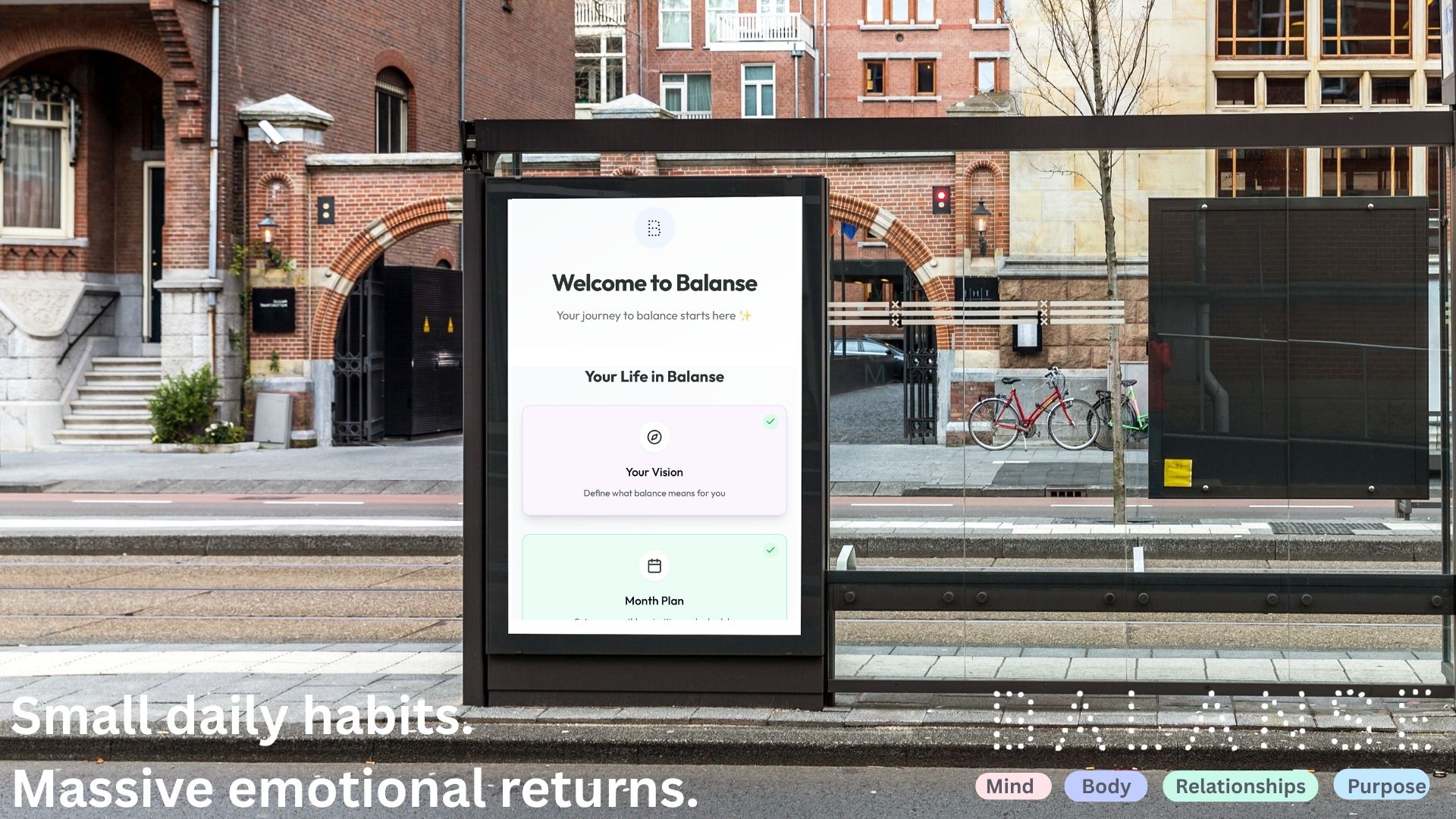
Small daily habits.
Massive emotional returns.
Everything you need to create a life of balance, purpose and fulfilment. Sign up today.