

Negative self-talk: identify, challenge, replace
You don't have to believe every thought you think.
Negative self-talk: identify, challenge, replace
We all have an inner critic. But when that voice becomes constant, harsh, and automatic, it shapes how we see ourselves - and limits what we believe is possible. The good news? You can change it.
What is negative self-talk?
Negative self-talk is the automatic, critical inner dialogue that:
• judges you harshly
• predicts failure
• dismisses your worth
• amplifies your flaws
It often sounds like:
• "I'm not good enough."
• "I always mess things up."
• "No one really likes me."
• "I'll never change."
Why it happens
Negative self-talk often develops from:
• early criticism or neglect
• internalised expectations
• comparison and perfectionism
• past failures or rejection
It's a protective mechanism - but it outlives its usefulness.
Step 1: identify the pattern
Start by noticing:
• When does the voice appear?
• What does it say?
• What triggers it?
Awareness is the first step. You can't change what you don't see.
Step 2: challenge the thought
Ask:
• Is this true - really?
• What evidence contradicts this?
• Would I say this to a friend?
• What's a more balanced perspective?
Thoughts aren't facts. They can be questioned.
Step 3: replace the narrative
Instead of:
"I'm not good enough."
Try:
"I'm learning and growing."
Instead of:
"I always fail."
Try:
"I've struggled before - and I've also succeeded."
This isn't toxic positivity. It's balanced realism.
Key Takeaway
You don't have to believe every thought you think.
Identify the pattern. Challenge the lie. Replace it with truth.
Your inner voice can become your ally - but it starts with awareness.
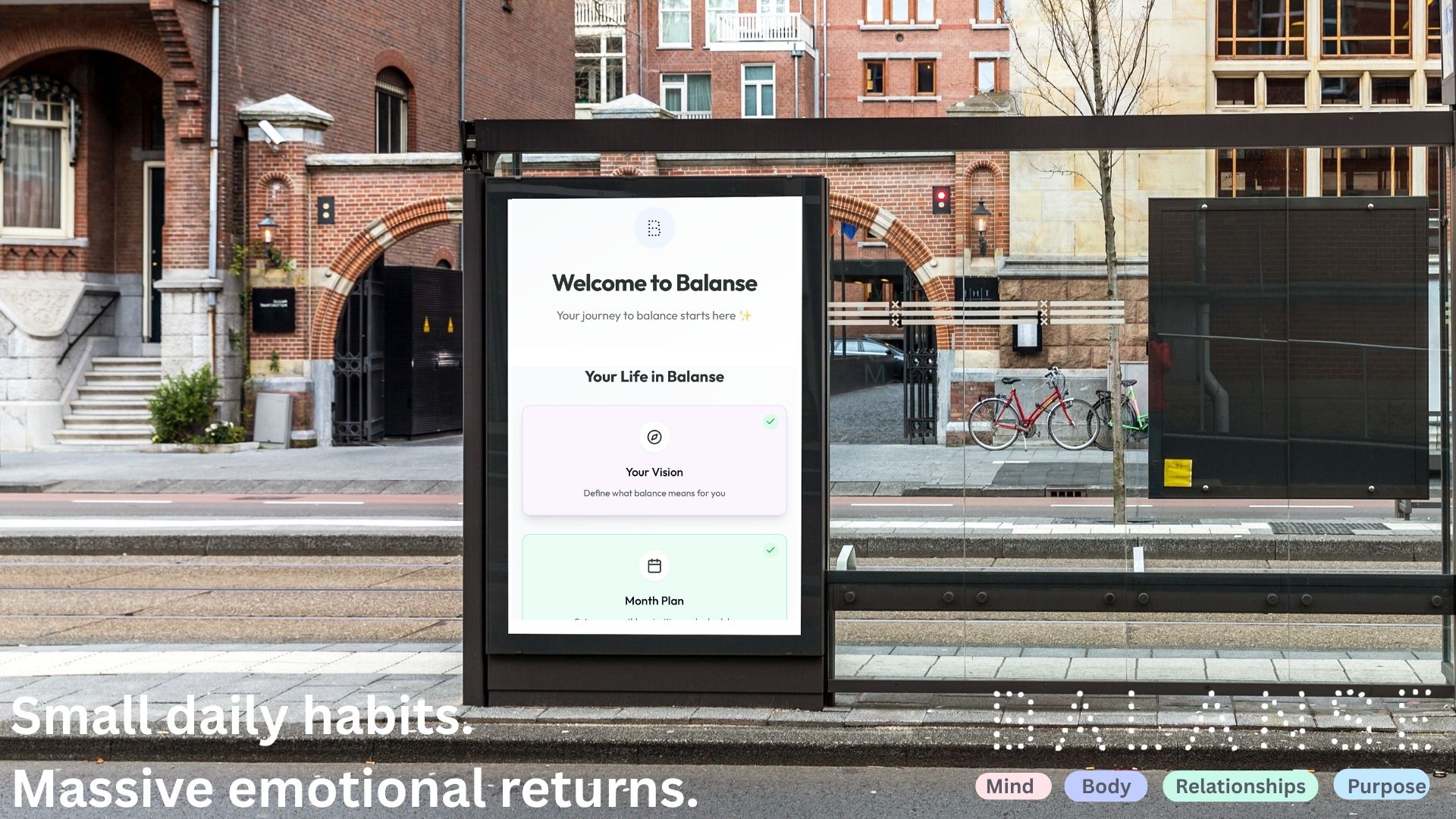
Small daily habits.
Massive emotional returns.
Everything you need to create a life of balance, purpose and fulfilment. Sign up today.