
The triad that shapes how we experience life
Most people believe their life is shaped by circumstances.
The triad that shapes how we experience life
Psychology and neuroscience suggest that the way we experience life is largely shaped by three internal factors: our physiology, our focus and beliefs, and the language and meaning we assign to events.
1. Physiology
Our physiology — the state of our body — has a powerful influence on how we think and feel.
When the body is stressed, tired, or overwhelmed, the brain tends to interpret the world as more threatening. Cortisol rises, the nervous system becomes reactive, and decision-making becomes more impulsive or defensive.
When the body is regulated and energised, the opposite happens. Breathing slows, the nervous system becomes calmer, and the brain becomes more capable of creativity, problem solving, and emotional regulation.
This is why practices such as movement, sleep, breathing, and time in nature have such a strong effect on mental wellbeing. They shift the body's state, which in turn shifts the mind.
Your body is not separate from your psychology — it is the foundation of it.
2. Focus and beliefs
The second element is what we choose to focus on and the beliefs that shape our interpretation of reality.
The brain is constantly filtering information through a network known as the reticular activating system. This system prioritises information that aligns with what we believe and pay attention to.
If someone believes the world is full of problems, their attention will naturally gravitate toward threats, obstacles, and frustrations.
If someone believes opportunities exist, their brain will begin noticing solutions, possibilities, and resources.
This doesn't mean ignoring reality. It means recognising that attention shapes perception.
What we consistently focus on becomes the reality our brain reinforces.
3. Language and meaning
The third element is the language we use internally and the meaning we assign to events.
Two people can experience the same situation and interpret it in completely different ways.
One might see failure as evidence they are not capable.
Another might see it as feedback and an opportunity to grow.
The event itself is the same, but the meaning assigned to it changes the emotional experience.
Language is powerful because it shapes meaning. The words we use to describe our lives influence how we feel about them.
This is why reframing challenges — asking "What can I learn from this?" rather than "Why does this always happen to me?" — can shift our emotional state and behaviour.
Meaning changes experience.
The interaction of the three
These three elements — physiology, focus and beliefs, and language and meaning — are constantly interacting.
Your physical state influences what you focus on.
Your focus influences the meaning you assign to events.
The meaning you assign influences your emotions and behaviour.
Together they shape how you experience your life.
When people begin to shift these three areas intentionally, something interesting happens. Situations that once felt overwhelming start to feel manageable. Challenges become opportunities for growth. Stress becomes something that can be navigated rather than something that dominates.
The external world may not change immediately, but the internal experience of life does.
Why this matters
In a world that often feels uncertain and fast moving, understanding this triad offers a practical reminder.
While we cannot control everything that happens around us, we can influence the state we bring to our lives, the thoughts we focus on, and the meaning we assign to our experiences.
Small shifts in these areas compound over time.
Key Takeaway
The way we experience our days shapes the life we live. And your day creates your life.
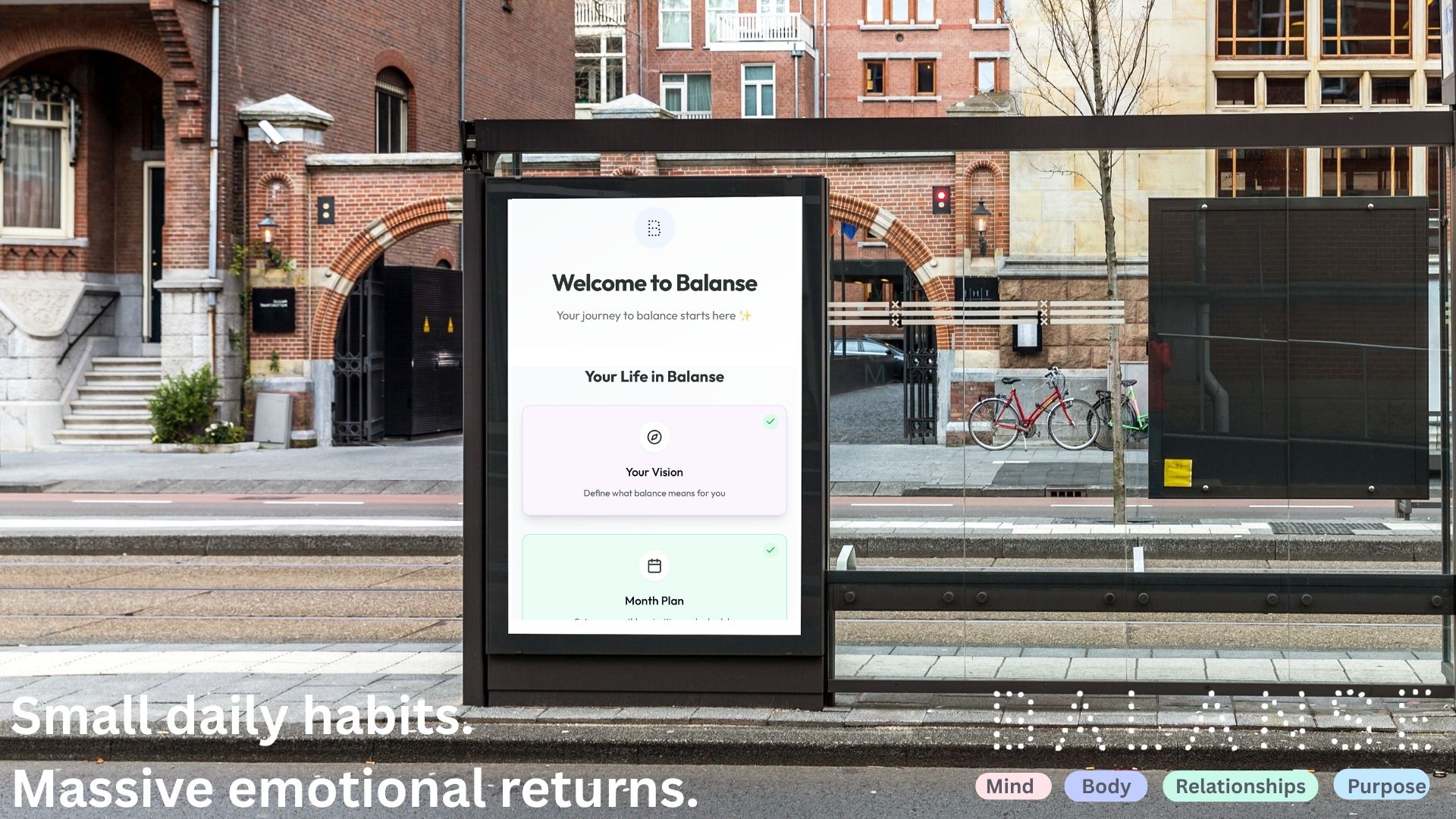
Small daily habits.
Massive emotional returns.
Everything you need to create a life of balance, purpose and fulfilment. Sign up today.