


The physiology of balance: why your nervous system depends on rhythms of stress and recovery
Why balance isn't optional
Understanding the physiological and psychological foundations of balance and why it's essential for optimal functioning and wellbeing.
Balance as a biological need
Balance isn't just a feeling - it's a foundational human need. Our nervous systems thrive on rhythm: stress, then recovery. Focus, then rest. Connection, then solitude. This alternation between activation and relaxation is known as homeostasis, and it's essential for all living systems to function optimally.
The cost of imbalance
Without balance, we break mentally (burnout, anxiety, fog), physically (fatigue, illness), and emotionally (irritability, disconnection). Chronic stress without adequate recovery leads to allostatic load - the physiological wear and tear that occurs when we remain in high-alert states for too long. Over time, this imbalance contributes to numerous health problems, from cardiovascular disease to immune dysfunction.
Creating rhythms of balance
The science is clear: regulation is resilience. Balance restores your system, fuels your clarity, and reawakens your purpose. Establishing rhythms of engagement and recovery - daily, weekly, and seasonally - helps maintain optimal functioning across all dimensions of life. This doesn't mean equal time for everything, but rather appropriate attention to each area based on current needs and priorities.
Key Takeaway
At BalanseOS, we don't chase perfection - we help you build rhythm. Gentle. Grounded. Repeatable. Because when you're in balance, you bring balance to others - and to the world. Finding your unique balance isn't a destination but an ongoing practice of awareness and adjustment as life's demands change.
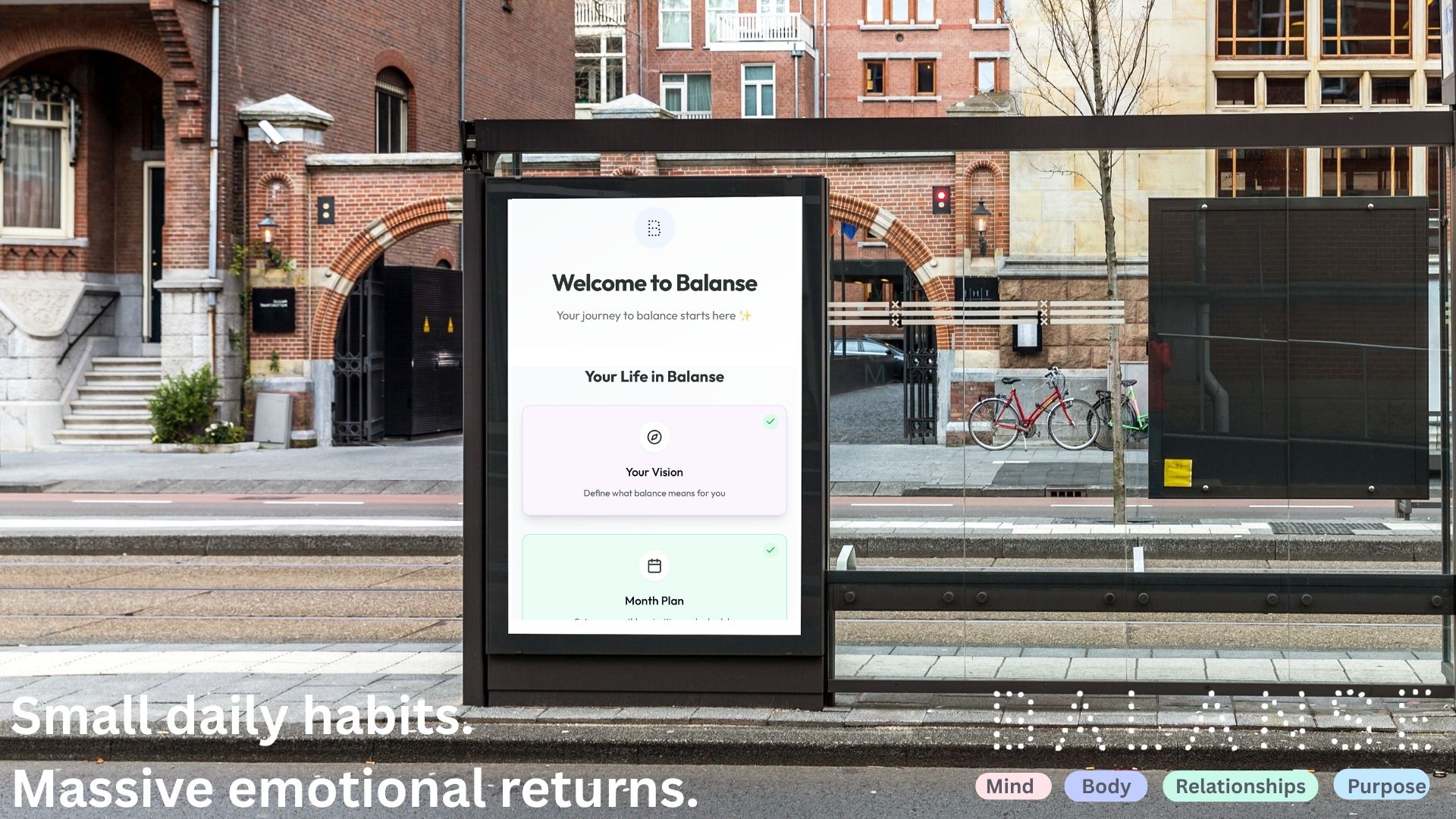

Small daily habits.
Massive emotional returns.
Everything you need to create a life of balance, purpose and fulfilment. Sign up today.